Underground Dublin: Secret Spots and Hidden Histories
Underground Dublin reveals secret spots and hidden histories that take you beneath the surface of the city’s familiar streets. Its underworld of history and legend comes alive through sacred crypts and preserved medieval spaces. These places tell stories of faith, rebellion, and folklore, offering a side of Dublin rarely experienced above ground. Some of my favorite spots in Dublin are off the beaten path.
Beneath the busy streets, carefully preserved passageways and chambers expose layers of the city long forgotten by everyday life. Archaeological finds and restored structures offer a direct link to moments that shaped Dublin’s political, cultural, and religious past. The next time you’re in Dublin, dig a little deeper and go where fewer tourists go.
St. Michan’s Church
On Church Street stands St. Michan’s Church with centuries of history, rebuilt in 1686 on a site that dates back to 1095. Stone steps lead down into the underground, where naturally mummified remains rest in heavy wooden coffins. People believe one figure is an 800-year-old Crusader, lying alongside others whose features are still visible after centuries.
The space is cool and dim, with stone walls that have lasted for generations. A fire in June 2024 damaged part of the collection, and while some displays have been adjusted, including the Crusader, tours are now available. Walking through the narrow passages, you step into a part of Dublin that feels hidden from everyday life.
The Forty Steps
In The Liberties, the Forty Steps form a steep stone staircase that runs through what was once Cromwell’s Quarters, an area once linked to the city’s “Murdering Lane” because of its dangerous past. The steps are worn from years of use and have become part of local storytelling. Some accounts mention movement near the staircase during the 1916 Easter Rising, adding another chapter to its long history.
The surrounding streets carry the history of the area, with old taverns and former warehouses standing as reminders of its working-class roots. Standing at the bottom of the Forty Steps shows how it holds real pieces of Dublin’s history, exactly where everyone can see them.
The Hellfire Club Ruins
On a hilltop overlooking Dublin stands the ruin of a hunting lodge built in the 1720s for William “Speaker” Connolly, a prominent 18th-century political figure in Ireland. After Connolly’s death, stories claim the site served as a gathering spot for the Irish Hellfire Club, founded in 1735 by Richard Parsons. Over the years, tales of wild meetings and dark rituals have intertwined with its history, adding to the mystery of its crumbling walls.
Today, hiking trails lead to the ruins through the Dublin Mountains. The remote setting and open skyline explain why the stories have lasted, with the ruins standing as both a landmark and a source of legend.
Dublin Castle Medieval Undercroft
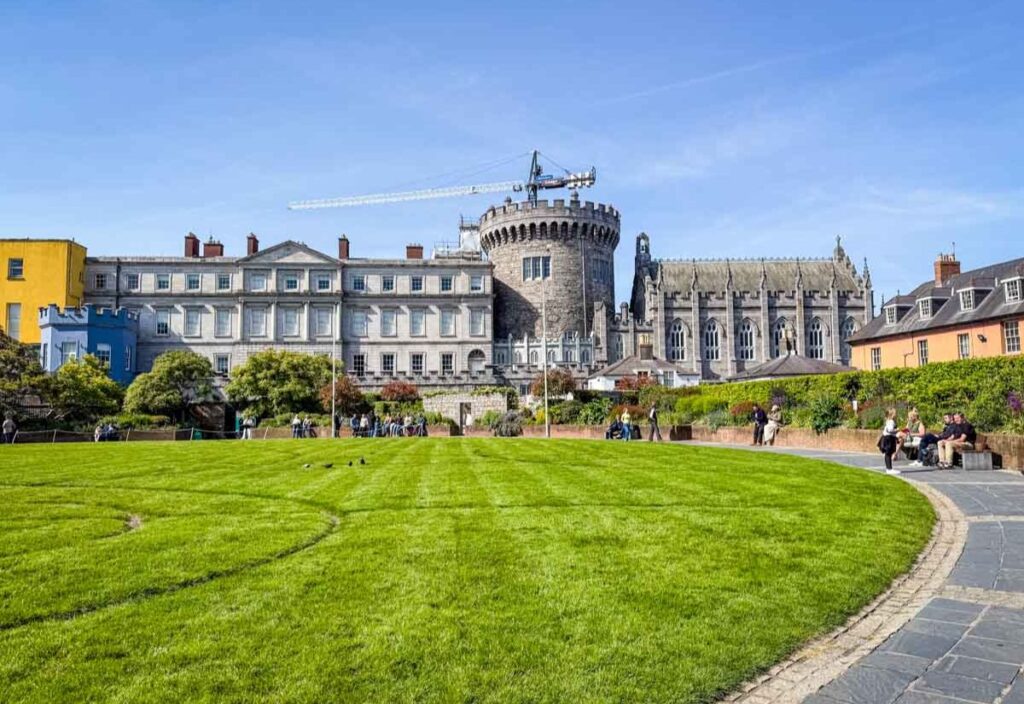
Under Dublin Castle, the medieval undercroft preserves some of the city’s oldest stonework. You can see parts of the original city wall and the base of a powder tower that once helped guard the castle. This area, known as the Viking Excavation, displays layers of history from the Norman period and beyond.
Pro tip: Take a guided tour and see the State Apartments and the Chapel Royal. Moving from the grand rooms above to the stone walls and packed earth below offers a clear view of how far back the castle’s story goes. It is one of the few places where you can stand among the city’s earliest remains.
Crypts of Christ Church Cathedral
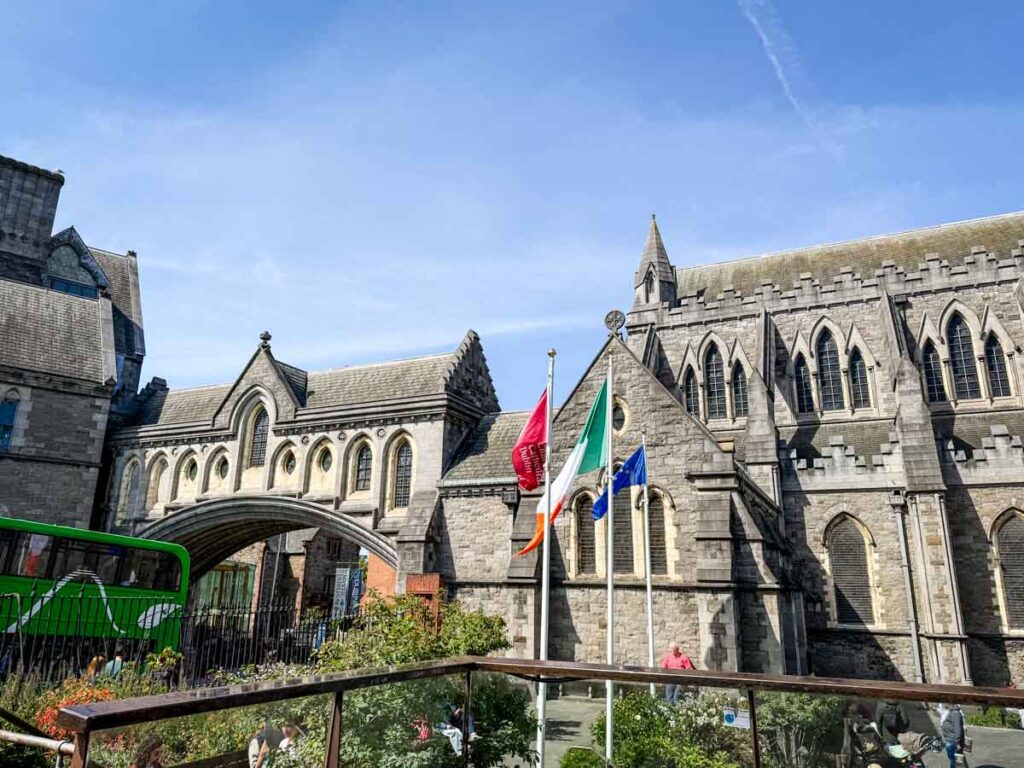
Under Christ Church Cathedral lies one of the largest crypts in Ireland, a long stone hall that has stood for centuries. Inside, you can see treasures, rare manuscripts, and tombs that have been here for generations. In one corner, wooden stocks once used for public punishment sit as a reminder of the city’s past.
As you walk through, the space shifts between historic displays and memorials. The mix of sacred items, civic history, and personal stories brings the past to the surface. It is a quiet place where Dublin’s history sits within reach, just below one of its best-known landmarks.
The Magazine Fort
Built according to the design of John Corneille from 1734 to 1736, the Magazine Fort stored gunpowder during a time when a large part of the British Army was stationed in Ireland and regularly moved across the Empire. Rebels raided the fort during the early hours of the 1916 Easter Rising. Afterwards, another raid took place on December 23, 1939, adding to the fort’s long record of military activity.
Today, its walls still stand as a reminder of the role it played in guarding supplies and its place in key events that shaped the city. Walking around it, you can picture the purpose it once served and the history it has witnessed over the centuries.
Dublin’s Stories Beneath Your Feet
Exploring the city’s lesser-known passages leaves you with more than just a list of places visited. Stone corridors, worn steps, and quiet chambers hold the echoes of events that shaped the streets above. Each site adds to a larger picture of how Dublin’s past continues to leave its mark on the present. Stepping back into the daylight, the memory of these underground spaces stays with you, offering a perspective that is as much about the people who built them as the history they contain.
Jennifer Allen is a retired chef turned traveler, cookbook author and nationally syndicated journalist; she’s also a co-founder of Food Drink Life, where she shares expert travel tips, cruise insights and luxury destination guides. A recognized cruise expert with a deep passion for high-end experiences and off-the-beaten-path destinations, Jennifer explores the world with curiosity, depth and a storyteller’s perspective. Her articles are regularly featured on the Associated Press Wire, The Washington Post, Seattle Times, MSN and more.