A Local’s Vienna: The Insider’s Guide to the Real City
Vienna tells its story in the pace of daily life, where habits and neighborhoods reflect how the city moves and stays connected. It traces everyday routes through markets, residential corners and spaces shaped by routine, the same ones I follow living there. Each stop takes you to places I know well, from daily walks and errands that give me firsthand experience of the local spots where the city feels most alive.
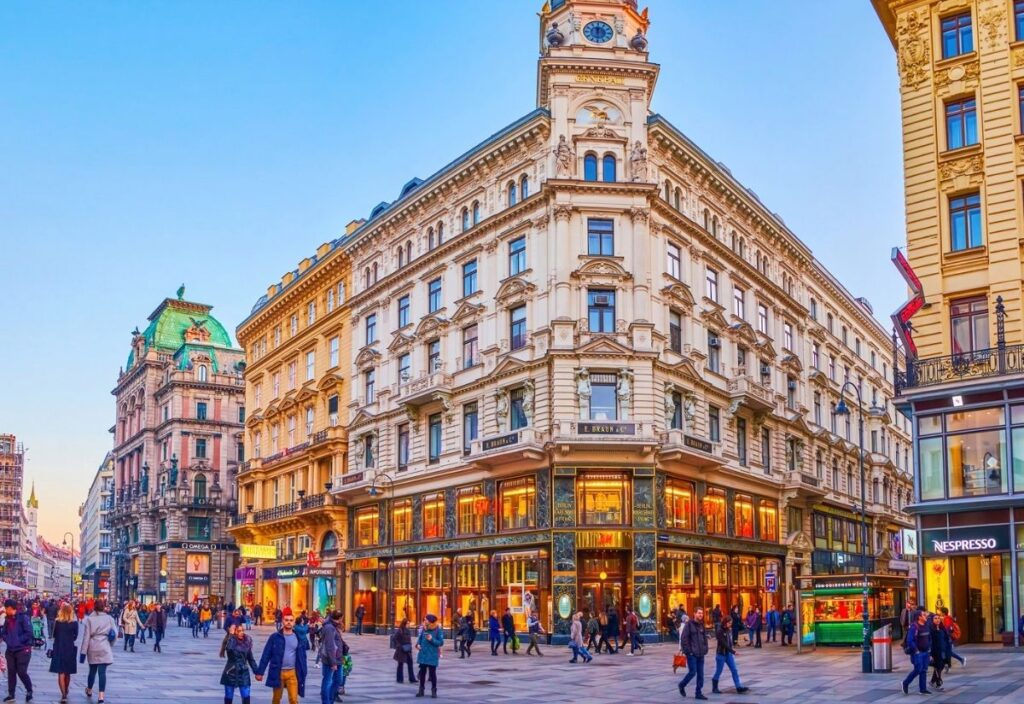
City life in Vienna moves with a kind of quiet certainty, shaped by patterns you only catch when you’re paying attention. It’s a pace set by local habits and familiarity, tucked deeper into landmarks and mapped-out plans.
Neighborhoods with character
As you move across the city, you start to see how local routines shift from one neighborhood to the next. In Leopoldstadt, residential streets unfold gradually, with small cafés and bakeries filling up as locals ease into the day.
Josefstadt brings a more relaxed feel. Baroque churches stand beside bookstores, and neighborhood pubs fill with quiet conversation rather than crowds. A short tram ride away, Neubau feels different but just as grounded. Its cobbled alleys lead past small studios and independent galleries. You can walk without a plan and still come away with a sense of how each district carries its own pace and personality.
If you’re staying in Neubau, Altstadt Vienna offers a relaxed place to settle with a strong sense of style. They have a beautiful Red Salon that brings you into the art of slowing down, with tea and homemade cake served daily. They also host tea time with live piano music on weekends, giving the space a quiet sense of occasion.
Markets worth your time
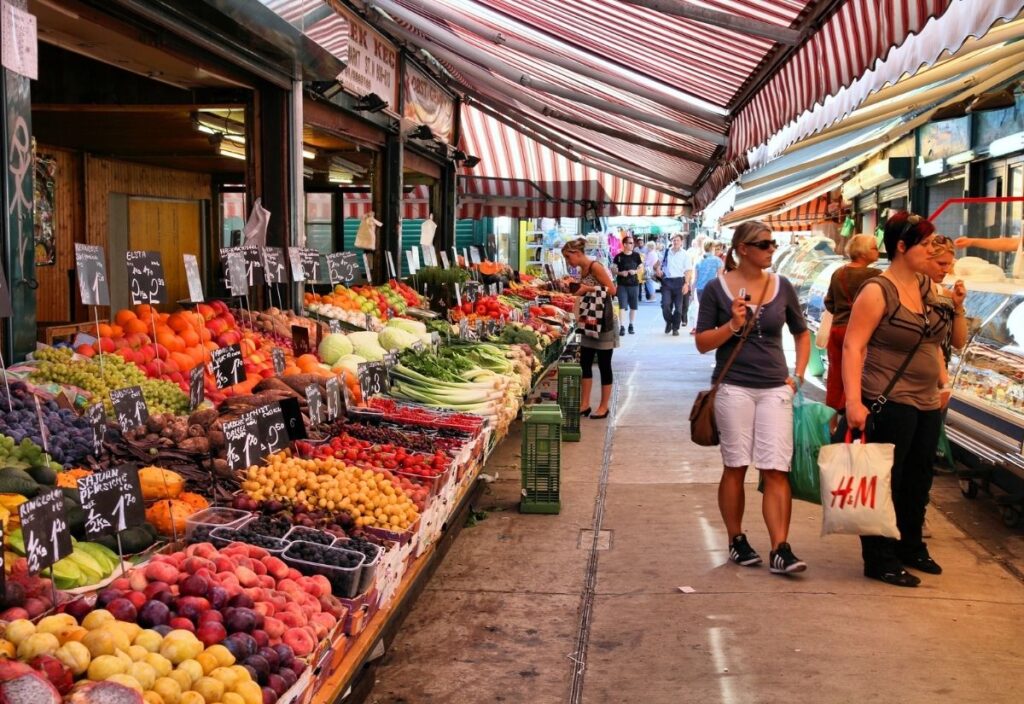
If you’re still looking for reasons to visit Vienna, its markets offer a clear starting point. At Naschmarkt, you’ll find a wide mix of cultures, colors, and aromas, with vendors selling everything from Middle Eastern spices to freshly grilled seafood.
Naschmarkt is my go-to spot whenever I meet up with friends. The vibrant mix of restaurants along the market stalls offers something for every craving. You can find sushi, falafel, seafood, a classic schnitzel, and plenty more. There’s always something new and exciting to try. The atmosphere is full of energy, and it’s one of my favorite places to enjoy a meal and people-watch with a coffee in hand.
For a quieter scene, head to Rochusmarkt in Landstraße. It’s smaller and more relaxed, with locals gathering in the mornings for produce, bread, and a coffee stop that often turns into conversation. If you want to see a market at the pace locals prefer, this is the one.
Karmelitermarkt offers a similar sense of neighborhood routine. It holds onto its community feel, with stalls that still feel personal and cafés that seem built for regulars rather than passersby.
Spiritual and quiet corners
Vienna’s quieter religious spaces often go unnoticed, but they remain part of the city’s daily life. Stadttempel, one of the city’s oldest Jewish prayer houses, hides behind a simple apartment building, revealing its long history only to those who look closely.
Not far from there, a short ride brings you to Paulanerkirche in Wieden. This modest church sits behind a courtyard garden and rarely attracts tour groups. It offers a quiet space where you can step away from the pace of the street.
Rochuskirche in Landstraße plays a different role from the grand churches in the city center. Its plain postwar design reflects a practical period in Vienna’s rebuilding, and its activity remains rooted in neighborhood life. While others draw visitors with ornate detail, this one serves as a quiet anchor for the local community.
Sankt-Ulrich-Kirche offers a moment of calm just off the bustle of Neubaugasse. The church, modest in scale and quiet in atmosphere, contrasts the movement around it. If you’re interested in bringing home something thoughtful, local design shops like Die Sellerie carry pieces made in Vienna.
Art, design, and culture
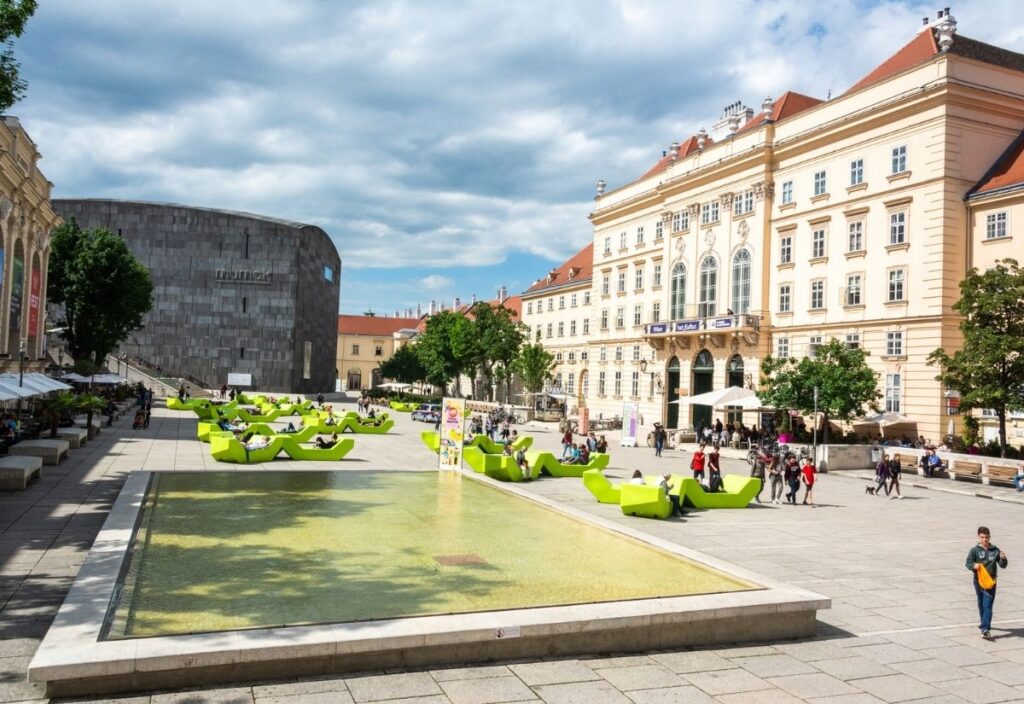
Creative energy in the city extends far beyond its main museums. The MuseumsQuartier brings together several institutions in one place. The Leopold Museum focuses on Austrian modern art, while mumok features contemporary works, including photography and media installations. Beyond these, the complex also includes smaller exhibition spaces that often spotlight emerging artists and current ideas in design and visual culture.
Kunsthalle Wien presents rotating exhibitions that explore current ideas in art, design, and culture. The content shifts often, offering a perspective that feels relevant and distinctly of the moment.
Food and drink, Vienna style
Meals in this city are rarely rushed. At Vollpension, retirees bake cakes from personal recipes, turning a visit into something closer to a shared family ritual. The café feels more like a living room than a commercial space, and it invites you to stay, not just stop by. I love going there as it always feels warm, familiar, and a little bit nostalgic, like stepping into someone’s home for a cozy afternoon.
For something grounded in local tradition, Gasthaus Pöschl offers schnitzel, Tafelspitz, and a menu that’s straightforward and familiar to anyone who’s spent time in Vienna. Nearby, Glacis Beisl sits behind the MuseumsQuartier and serves seasonal food in a quiet courtyard. It’s a natural break from the city, offering a quiet space to stay a bit longer over food or conversation.
After-dark local favorites
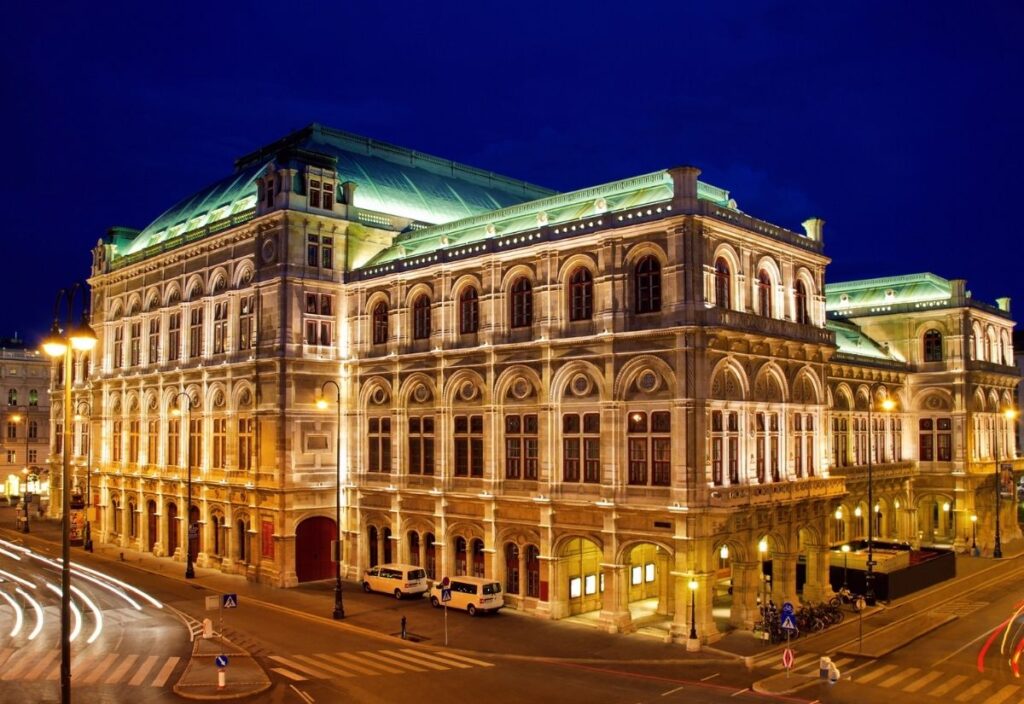
The pace of Vienna shifts after dark, but the sense of place holds steady. Some of the most grounded spots come alive in the evening, like Theater an der Wien. It continues to stage productions that challenge form and draw audiences who care more about content than reputation.
Just west of the center, Miranda Bar near Gumpendorferstrasse keeps the mood easy with a rotating list of seasonal cocktails and a compact space that feels built for conversation. A few blocks away, the rooftop at Hotel Daniel offers a clear view of the skyline and a quieter way to take in the city at night, free from lines or noise.
Beyond the postcard views
Vienna rewards those who look past the surface. Its rhythm lives in daily rituals, from early-morning market runs to late-night conversations in neighborhood bars. The city’s value isn’t tied to major attractions but to spaces shaped by routine and familiarity. Walking through local districts offers insight into how residents actually live, not just what tourists come to see. That grounded, unpolished side of Vienna is what leaves the strongest impression.
Zuzana Paar, a co-founder of Food Drink Life, is a seasoned traveler and writer who has explored 62 countries and lived in St. Lucia, Dubai, Vienna, Doha and Slovakia. Her work has been featured on Fox News, New York Daily News, MSN and more; she has also appeared live on Chicago’s WGN Bob Sirott Radio Show. When she’s not discovering new destinations, she shares travel tips and insider insights to help others experience the world in a unique and unforgettable way.