How to get around in Barcelona
Tourism in Barcelona continues to grow, but visitors are increasingly looking for more than a highlight reel. They want to experience the city at street level, and that starts with knowing how to get around in Barcelona. Neighborhood strolls, metro rides and cable car climbs all shape the rhythm of the day and become part of the experience.
Movement shapes experience in Barcelona, not just as a means to get around, but as a rhythm that connects people to place. This itinerary maps out a discovery at the center of every step, blending movement with meaning at every turn.
Move through history
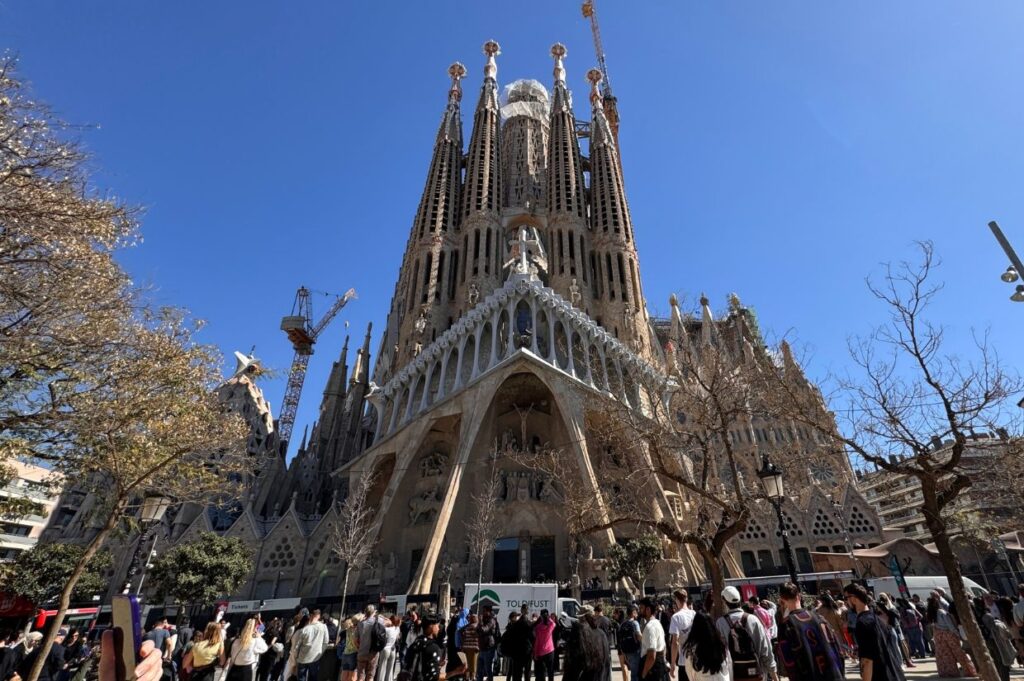
Barcelona’s rich past is built right into its streets, and moving through it on foot or by metro lets you feel that history come alive. Start with La Sagrada Família, easily accessed via L2 or L5 metro lines. Gaudí’s unfinished masterpiece rises like a forest of stone, with facades carved in elaborate detail and towers that reach toward the sky.
Each side of the basilica tells a different story, from the joyful Nativity façade to the stark, angular Passion façade. Inside, light pours through stained-glass windows in shifting blues, greens and ambers, casting colored reflections across the floor.
The Gothic Quarter is just as immersive, where every twist of an alley reveals Roman columns, medieval plazas or tucked-away chapels. Walk past laundry lines stretched across balconies, hear church bells echo through narrow lanes and step into courtyards that feel frozen in time. You might stumble upon Plaça Reial with its palm trees and lanterns designed by Gaudí, or find a quiet corner near the Cathedral of Barcelona where locals sit and chat.
Market hopping like a local
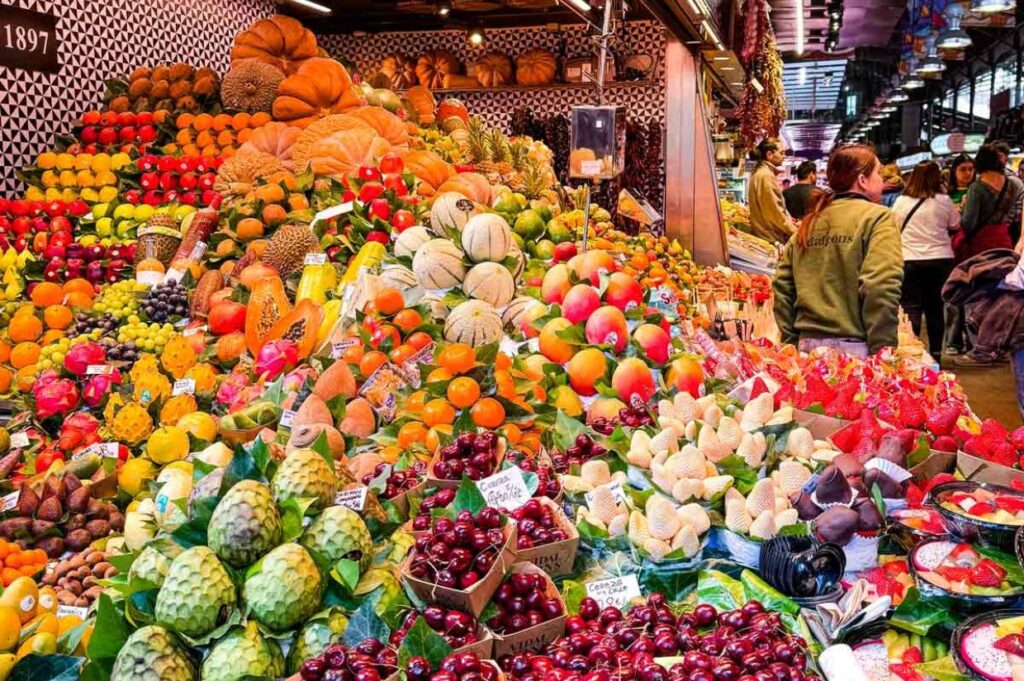
Exploring Barcelona’s markets over a few days lets you get a sense of local rhythms and daily life. La Boqueria Market, just off the Liceu Metro, is loud, colorful and full of flavors. Tropical fruits are stacked high beside displays of dried nuts, fresh seafood and artisan chocolates. It’s easy to lose track of time in this buzzing space, especially if you pause to watch locals shop or chat with the stall owners.
On another morning or afternoon, head to Santa Caterina Market, just a short walk from Jaume I station. Its wave-like roof, tiled in vibrant mosaics, is hard to miss. Inside, the atmosphere shifts with a calmer, more grounded and unmistakably local. This is where many Barcelonans go about their grocery runs, picking up olives, fresh-baked bread and cuts of meat from longtime vendors.
Taste Barcelona by neighborhood
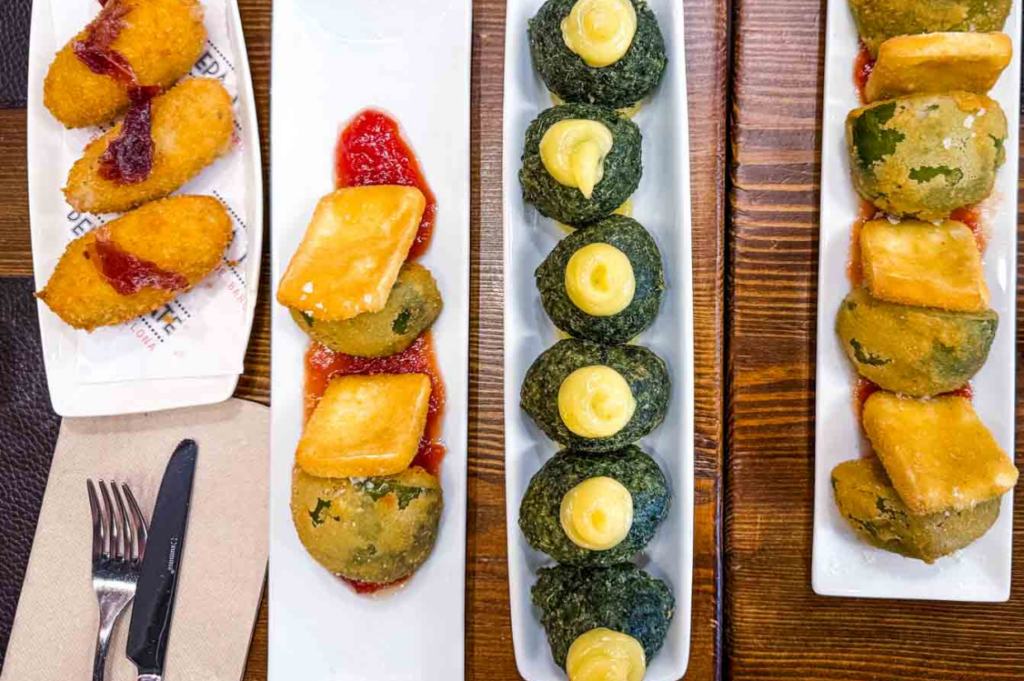
Eating in Barcelona is a journey through its neighborhoods, and worth spreading out across multiple meals and days. Each area has its own flavor, and the food tells stories you won’t hear anywhere else.
One of the most immersive ways to explore Barcelona’s culinary scene is through the Barcelona Food & Wine Tour with a Local Sommelier by The Tour Guy. This guided experience blends local flavors with stories and context you wouldn’t get on your own. You’ll sample regional wines, learn about Catalan food culture and visit neighborhood tapas spots selected by someone who knows the city’s palate inside and out.
Another great option for experiencing the local food scene is El Nacional, a high-end food hall located just off Passeig de Gràcia. Housed in a beautifully restored industrial building, El Nacional brings together multiple restaurants and bars under one roof, each dedicated to a specific aspect of Iberian cuisine. From fresh seafood and grilled meats to Spanish wines and traditional tapas, it’s a curated taste of Spain all in one place.
Scenic routes by cable car and stroll
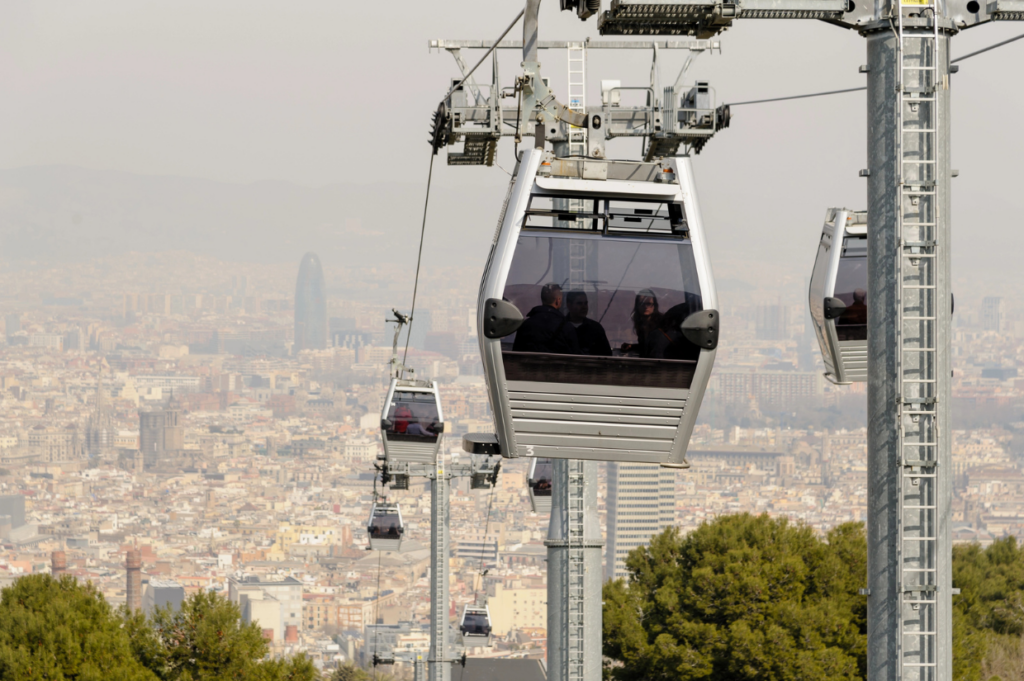
Seeing Barcelona from above is worth planning into your itinerary. Take the Montjuïc Cable Car and watch as the city stretches out beneath you through the harbor views, layered rooftops and stretches of green parkland. The ride connects easily via the Funicular de Montjuïc, making it a smooth transition from street level to the hillside.
Once you’re at the top, set aside time to explore Montjuïc Castle, a former military fortress that offers panoramic views and a fascinating look at the city’s past. The nearby gardens, like the Jardins de Joan Brossa or the Mirador del Alcalde, make the area feel like a peaceful break from the city’s faster pace.
Later in your trip, visit the Magic Fountain at dusk for a free show of music, lights and water, which is an open-air performance that draws locals and visitors alike. Shows usually run from Thursday to Saturday, but check the schedule before you go.
Afterward, if you’re craving a quieter evening, El Born is perfect for unwinding. Its narrow streets and ambient cafés invite you to slow down, browse small galleries or settle in with a glass of vermouth. It’s a neighborhood that rewards multiple visits, especially when you take your time.
Getting around was half the fun
Barcelona engages with pace, place and perspective. It’s a city that unfolds through movement, where each step, ride or glance out the window adds a new layer of understanding. Moving through its neighborhoods is where you start to notice what rises up around you, with the ancient ruins tucked beside apartments, laundry flapping between balconies, the scent of fresh bread wafting from corner bakeries or the sweep of rooftops as you glide up Montjuïc. These moments aren’t just background, but the texture of the city itself.
Zuzana Paar, creator of Amazing Travel Life, is a seasoned traveler and writer who has explored 62 countries and lived in St. Lucia, Dubai, Vienna, Doha and Slovakia. Her work has been featured in Fox News, NY Daily News, MSN and more; she has also appeared live on the Chicago WGN Bob Sirott Radio Show. When she’s not discovering new destinations, she shares travel tips and insider insights to help others experience the world in a unique and unforgettable way.